The power of good design
Good design at Vitsœ
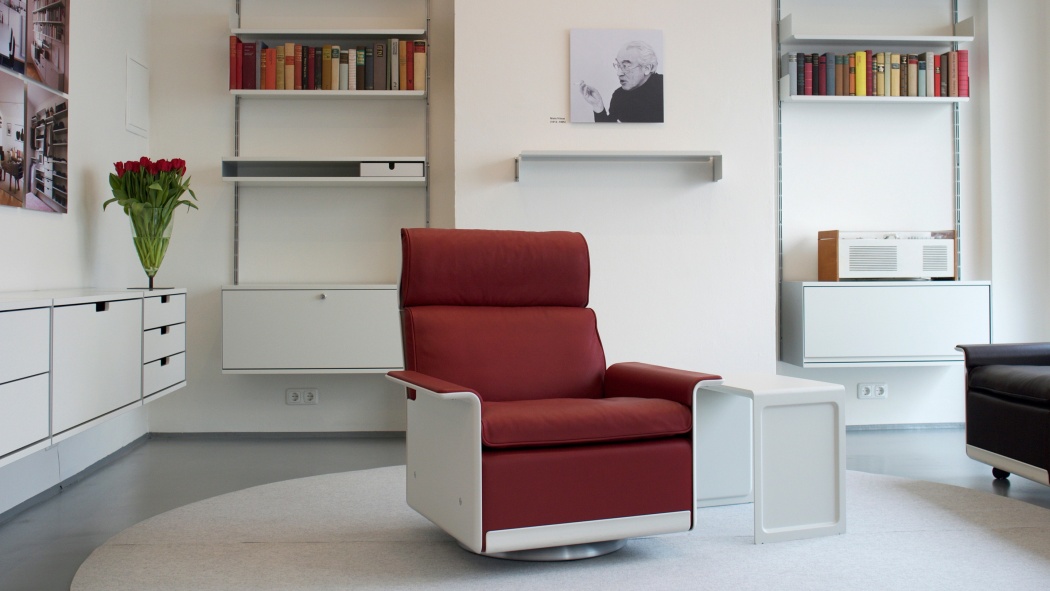
Here at Vitsœ we stand for the inordinate power of good design in everything we do: designing thoughtfully, responsibly and intelligently for our company, our furniture and the many people who share a profound interest in all of our tomorrows.
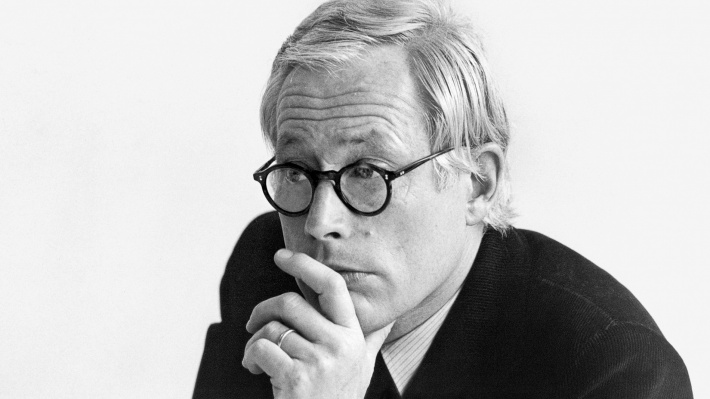
For over 65 years, Vitsœ has worked continuously with Dieter Rams. He still improves his designs to this day and is often cited by a new generation as a key influence on their work that is shaping the 21st century.
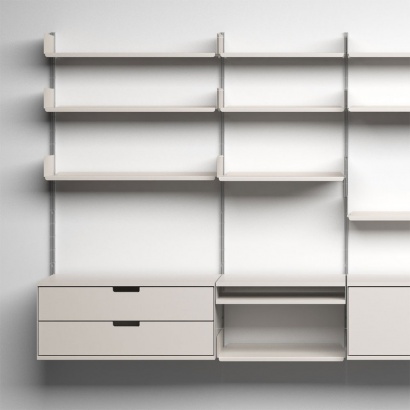
“In 1957 I began to develop a storage system that formed the basis of the company Vitsœ, which was founded in 1959. Thus the ideology behind my design is engrained within the company.”
Ten principles for good design
Back in the late 1970s, Dieter Rams was becoming increasingly concerned by the state of the world around him: “An impenetrable confusion of forms, colours and noises.”
Aware that he was a significant contributor to that world, he asked himself an important question: is my design good design?
His answer is expressed in his ten principles for good design.
Good design is innovative
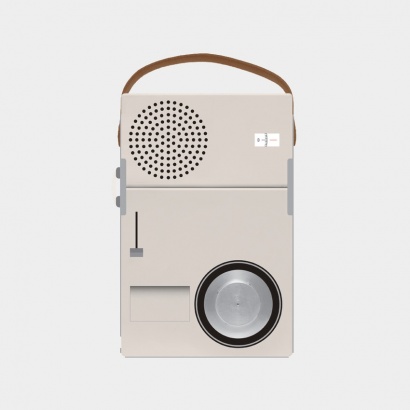
The possibilities for innovation are not, by any means, exhausted. Technological development is always offering new opportunities for innovative design. But innovative design always develops in tandem with innovative technology, and can never be an end in itself.
Good design makes a product useful
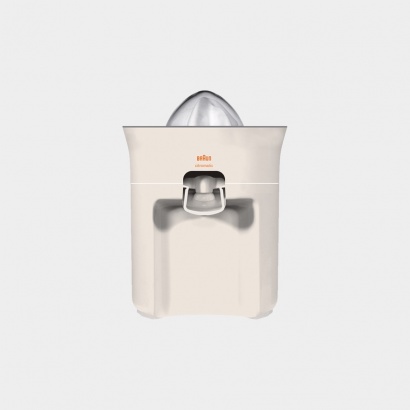
A product is bought to be used. It has to satisfy certain criteria, not only functional, but also psychological and aesthetic. Good design emphasises the usefulness of a product whilst disregarding anything that could possibly detract from it.
Good design is aesthetic
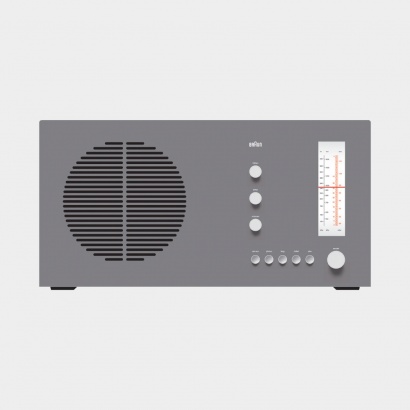
The aesthetic quality of a product is integral to its usefulness because products we use every day affect our person and our well-being. But only well-executed objects can be beautiful.
Good design makes a product understandable
It clarifies the product’s structure. Better still, it can make the product talk. At best, it is self-explanatory.
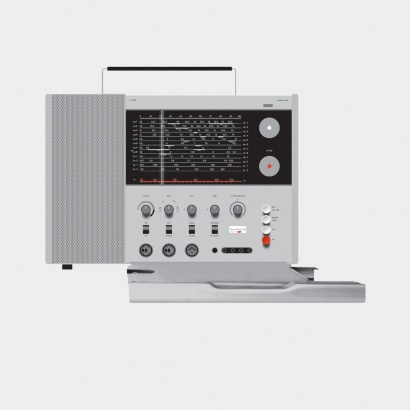
Good design is unobtrusive
Products fulfilling a purpose are like tools. They are neither decorative objects nor works of art. Their design should therefore be both neutral and restrained, to leave room for the user’s self-expression.
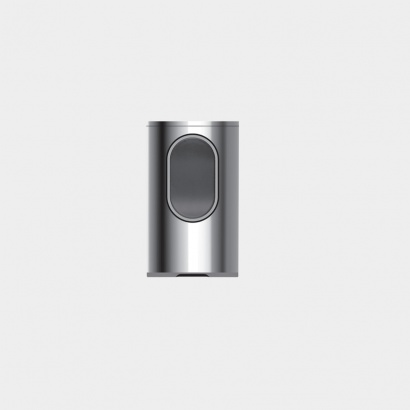
Good design is honest
It does not make a product more innovative, powerful or valuable than it really is. It does not attempt to manipulate the consumer with promises that cannot be kept.
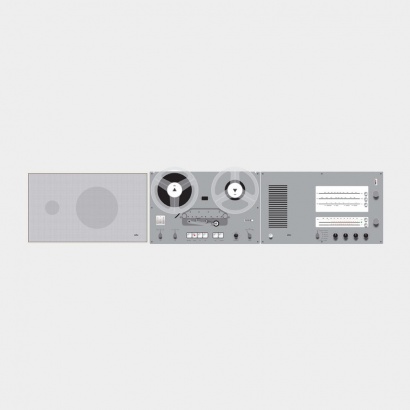
Good design is long-lasting
It avoids being fashionable and therefore never appears antiquated. Unlike fashionable design, it lasts many years – even in today’s throwaway society.
Good design is thorough down to the last detail
Nothing must be arbitrary or left to chance. Care and accuracy in the design process show respect towards the user.
Good design is environmentally-friendly
Design makes an important contribution to the preservation of the environment. It conserves resources and minimises physical and visual pollution throughout the lifecycle of the product.
Good design is as little design as possible
Less, but better – because it concentrates on the essential aspects, and the products are not burdened with non-essentials.
Back to purity, back to simplicity.

Subscribe to our occasional newsletter
You will only hear from us when we have something of interest to share.